Lateral ligament tear knee
Treatment of an external and/or internal ligament tear
Ligament injuries in the knee joint are primarily thought of as injuries or ruptures of the anterior cruciate ligament. This is certainly not only the most prominent and common, but also the most affected. However, in addition to the anterior cruciate ligament, there are other important anatomical ligament structures in the knee joint: the posterior cruciate ligament and the two so-called collateral ligaments, the outer collateral ligament of the knee or lateral collateral ligament (often referred to simply as LCL), and the inner collateral ligament or medial collateral ligament (often referred to simply as MCL). Injuries to the collateral ligaments can occur in isolation, but also as combination injuries. In the following article, I will explain how this happens and, above all, how to treat lesions in an emergency.
OVERVIEW
What are the sidebands and where are they located?
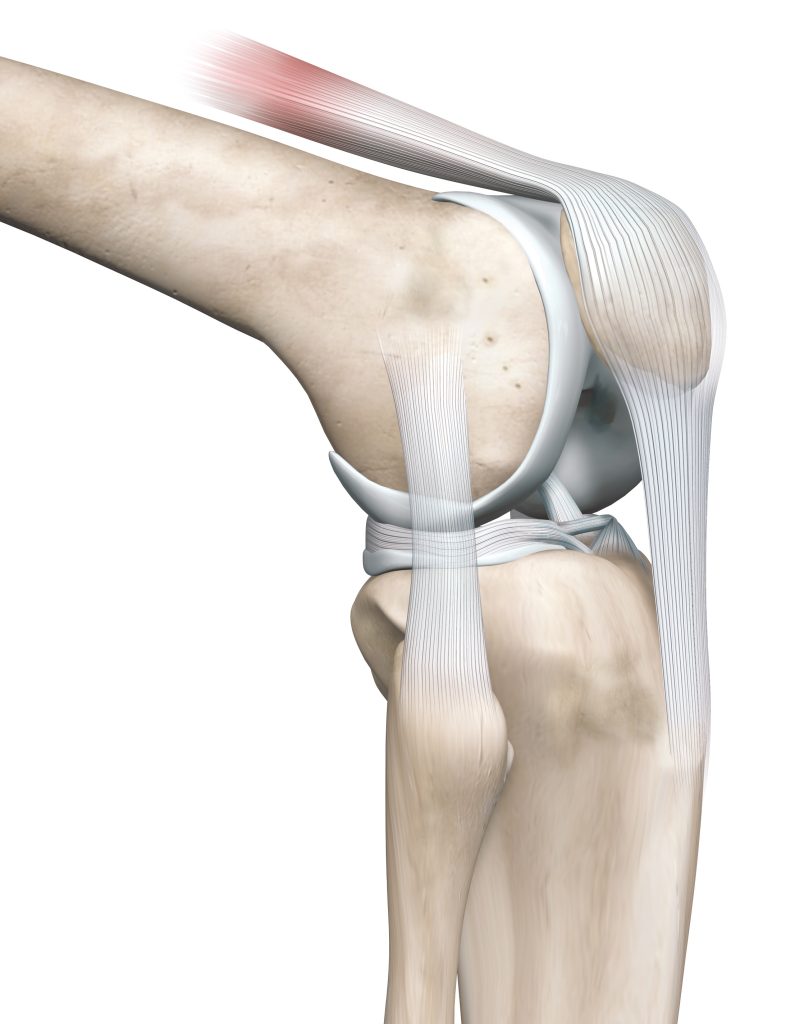
The knee joint has an internal (medial) and an external (lateral) Lateral ligament that secure the joint laterally. Both are attached to the femur, the inner collateral ligament pulls toward the tibia, and the outer collateral ligament pulls toward the head of the fibula. The medial collateral ligament, a flat, broad ligament about 7 cm long, lies in close proximity to the medial meniscus and is intimately connected to the knee joint capsule. The lateral one, on the other hand, is significantly thinner and not fused to the outer meniscus or the knee joint capsule. As a result, the outer meniscus is more flexible and, compared to the inner meniscus, less susceptible to injury or tear.
What are the functions of the collateral ligaments?
The two collateral ligaments stabilize the knee against forces that are not in the plane of motion of the joint. In the extended position, the two ligaments are tense; in the flexed position, they are relaxed. Tension prevents internal and external rotation, these are only possible with loosened ligaments in a flexed state. The inner ligament prevents inward buckling in the stretched state. Outer ligament a buckling away to the outside.
The two ligaments provide passive stability to the knee joint against forces directed outward (varus stress), as well as inward (valgus stress).
When does an injury to the collateral ligaments occur?
The most common cause of collateral ligament injuries are sports accidents. Depending on the intensity, the ligaments can be torn completely (total rupture) or partially (partial rupture) by the lateral force, but they can also be only strained or overstretched. In addition, bony avulsion of the respective ligament may also occur. Injury to the medial collateral ligament forces the knee joint inward and results in severe hyperextension on the inside, usually with twisting of the knee joint.
Injuries to the medial ligament are more common than those to the lateral ligament. Typical sports prone to collateral ligament injuries are soccer and skiing.

What are the symptoms of a torn lateral collateral ligament?
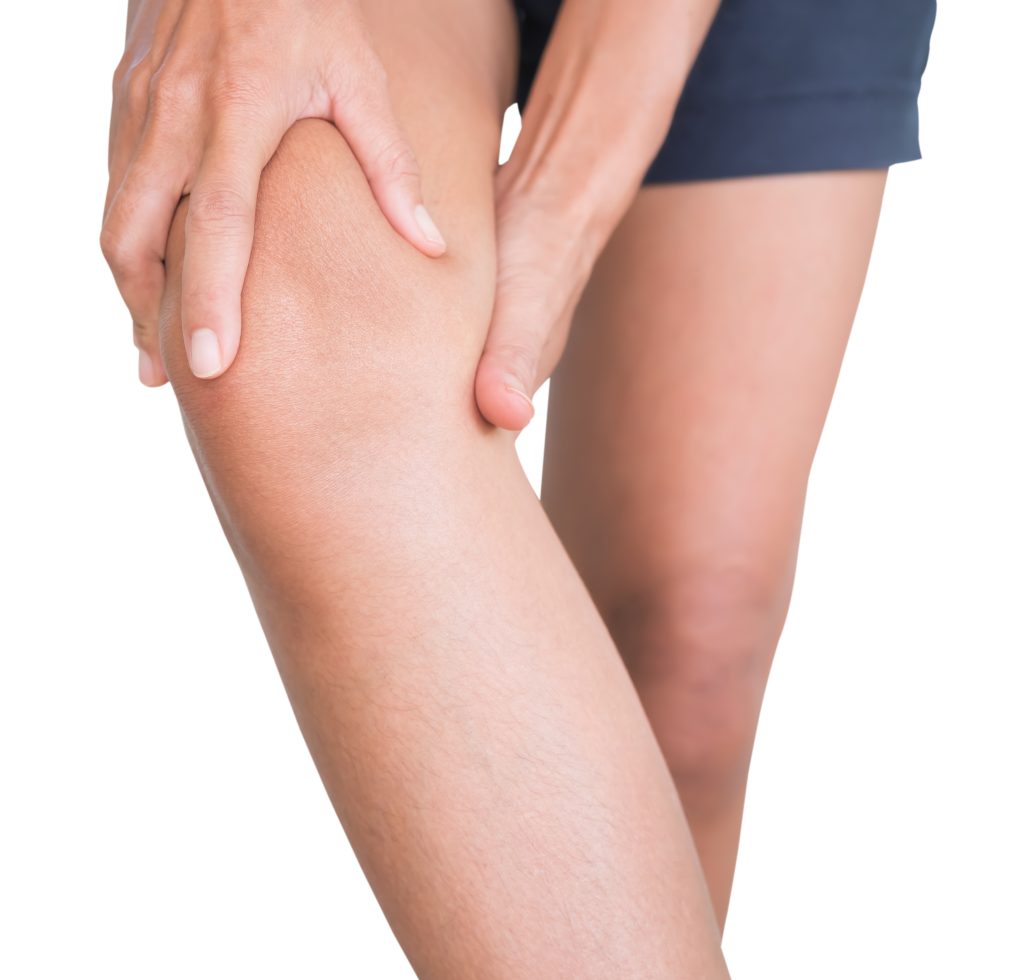
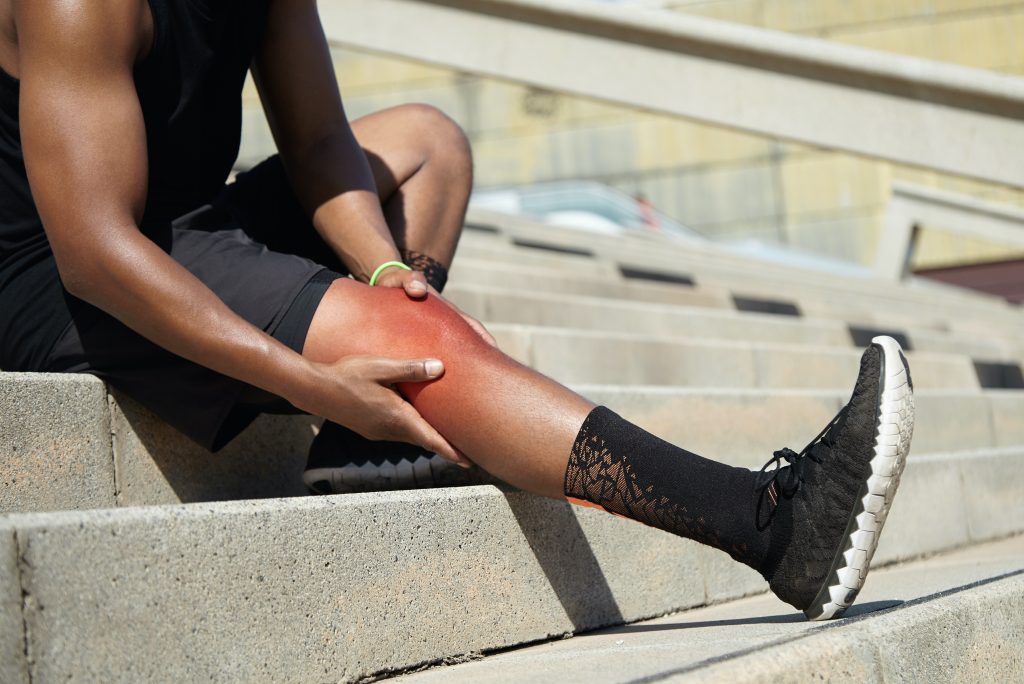
When the collateral ligament is injured or ruptured, there is usually pain in the corresponding area of the affected ligament. These are often accompanied by swelling and joint effusion. In high-grade partial ruptures and complete ruptures, patients often complain of unsteadiness or instability of the knee joint during movement and loading, as well as pain and formation of a local hematoma in the area of the rupture.
Injuries to the medial collateral ligament in particular are often accompanied by concomitant injuries such as a meniscal lesion. In the so-called “unhappy triad”, a combination injury in the knee joint, in addition to a rupture of the medial collateral ligament and lesion of the medial meniscus, there is also a rupture of the anterior cruciate ligament.
When the collateral ligament is injured or ruptured, there is usually pain in the corresponding area of the affected ligament. These are often accompanied by swelling and joint effusion. In high-grade partial ruptures and complete ruptures, patients often complain of unsteadiness or instability of the knee joint during movement and loading, as well as pain and formation of a local hematoma in the area of the rupture.
Injuries to the medial collateral ligament in particular are often accompanied by concomitant injuries such as a meniscal lesion. In the so-called “unhappy triad”, a combination injury in the knee joint, in addition to a rupture of the medial collateral ligament and lesion of the medial meniscus, there is also a rupture of the anterior cruciate ligament.
How is a collateral ligament tear diagnosed?
Primarily, the diagnosis is made on the basis of the cause of the accident and some simple functional and instability tests. In the course of the anamnesis, a precise survey of the time of the accident and the mechanism of injury is carried out.
The ligaments are examined to check stability in full extension and slight flexion (30°) by applying appropriate pressure from the outside, as well as from the inside. In addition to ligament stability, the knee is examined for effusion, painfulness, and range of motion.
The so-called unfoldability refers to the observed distance between the thigh and lower leg and can be divided into three grades:
- Grade 1: slight instability (less than 5 mm)
- Grade 2: medium instability (5 to 10 mm)
- Grade 3: severe instability (over 10 mm)
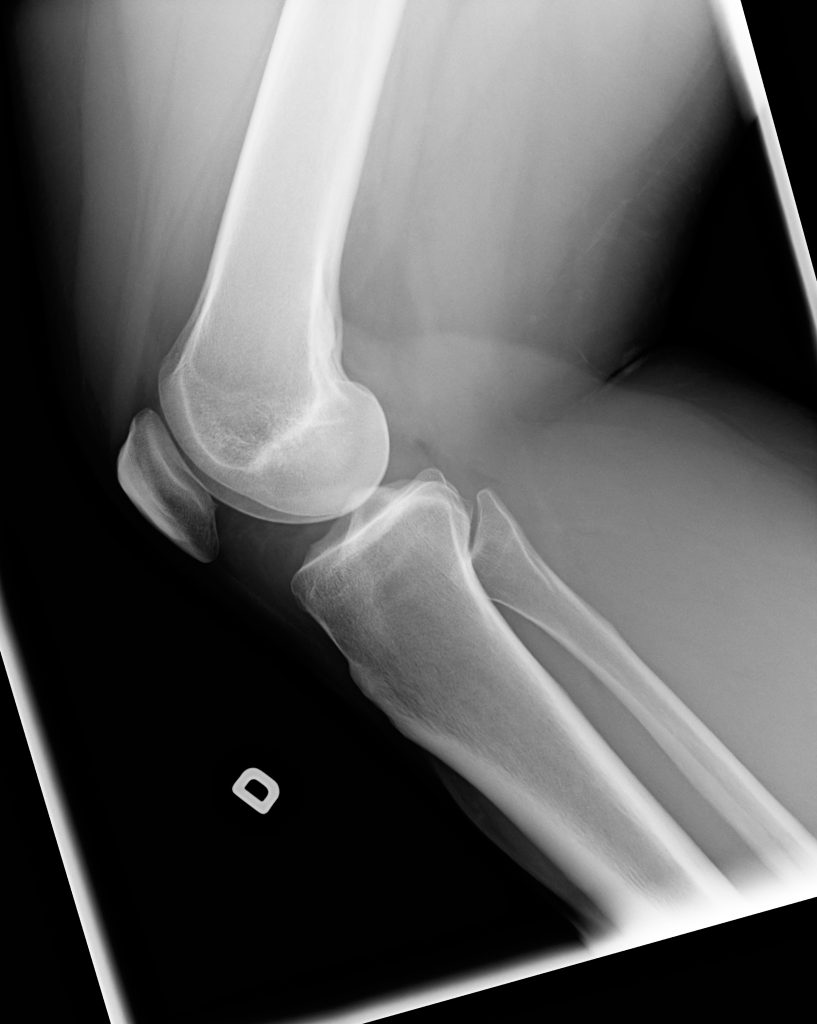
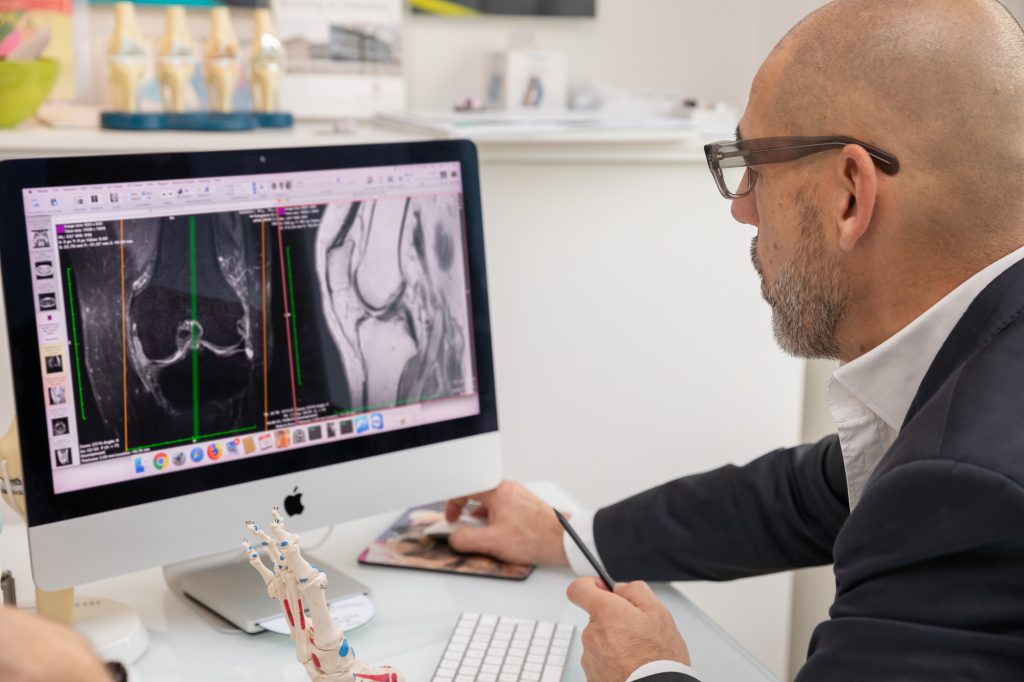
With the aid of an X-ray examination, which should be performed especially during the initial evaluation in the hospital, concomitant bony injuries can be ruled out. In addition, the exact extent of the injury should be clarified with the aid of magnetic resonance imaging. The exact extent of the injury can be determined and possible concomitant injuries such as meniscus tears, cruciate ligament tears or cartilage defects can be diagnosed.
How is a lateral ligament tear treated? (conservative and surgical option)
Most collateral ligament injuries can be treated conservatively and thus without surgery. Consistent sparing, regular cooling and elevation of the affected leg are recommended as initial measures after the injury. To prevent more massive swelling, the application of an elastic bandage is useful.
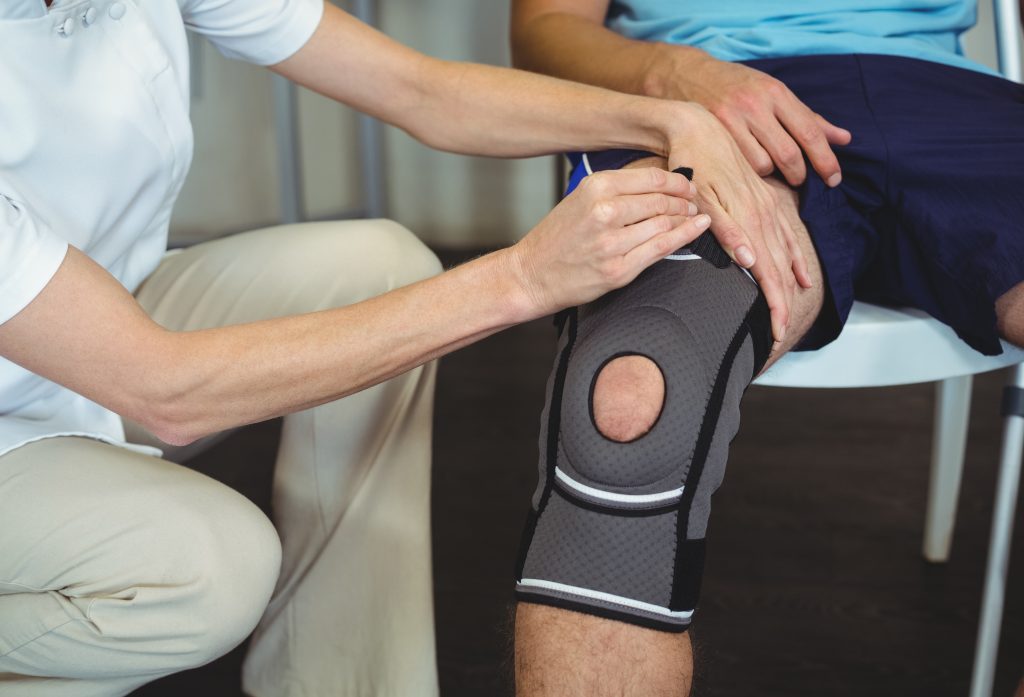
Depending on the degree of injury and concomitant injuries, treatment of a collateral ligament injury can be conservative or surgical. Conservative therapy includes pain medication and physiotherapy as soon as possible, in addition to the initial measures mentioned above. For stabilization, a knee orthosis should be worn for 4-8 weeks for mild and moderate instabilities. Thromboembolism prophylaxis is indicated with additional relief of the injured leg with crutches.
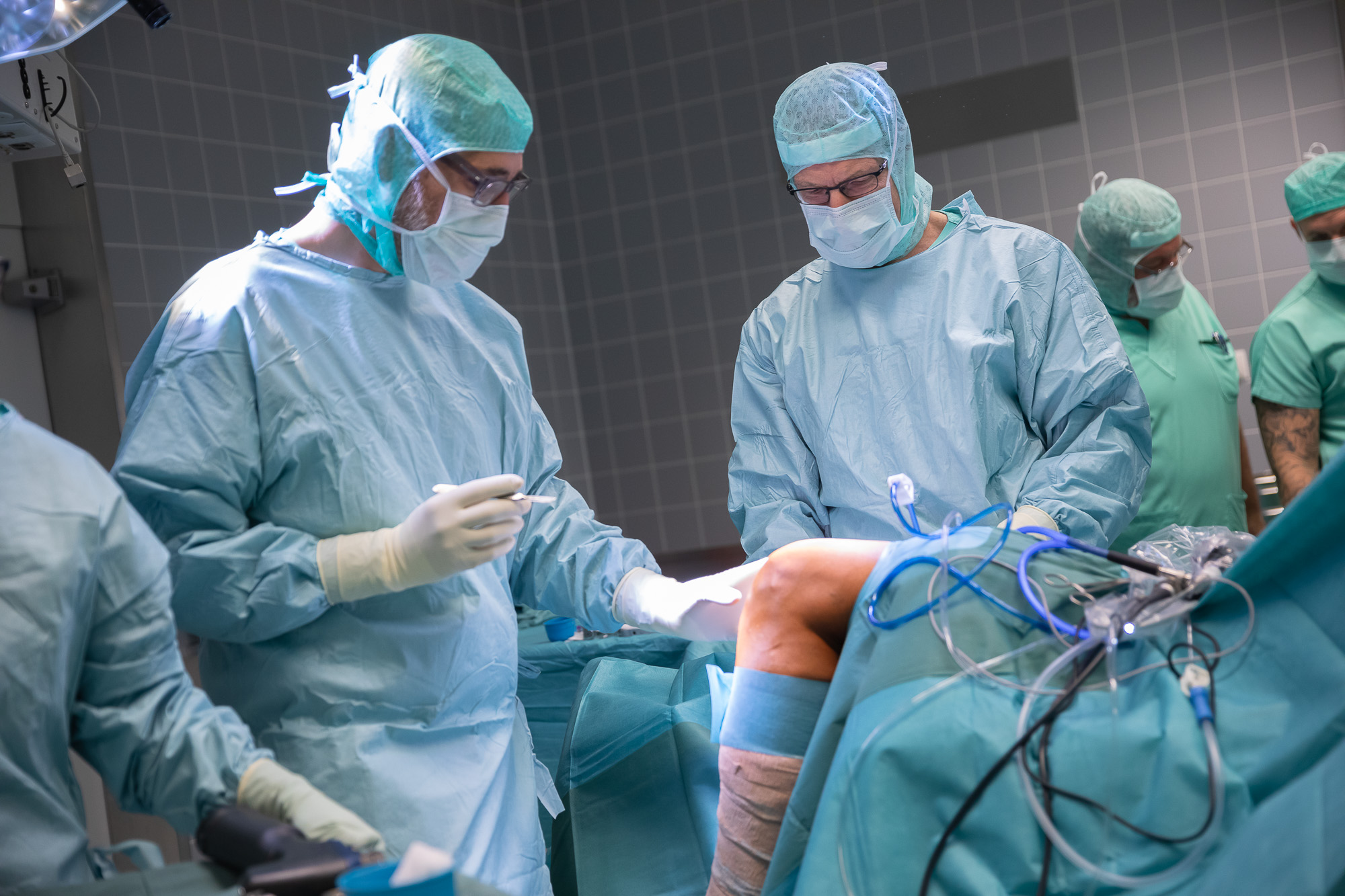
If the conservative measures are not sufficient or if there are additional concomitant injuries, such as a meniscus tear, cartilage damage or a cruciate ligament tear, the knee must be stabilized and treated surgically. Different techniques are available for this, which are applied individually as required.
Sideband seam
Surgical suturing is performed between the torn portions of the collateral ligament. If necessary, the torn ligament can also be reattached to the bone using special anchors.
Refixation of a bony avulsion
In this procedure, anatomical reduction and fixation of the bony fragment is performed and the avulsed piece is fixed with a screw.
Reinforcement or band suture augmentation
In addition to the suture described above, the affected collateral ligament can be reinforced with the help of an artificial ligament if necessary. This is attached to the bone using screws and is used in cases of high instability or when orthosis-free mobilization is required.
Reconstruction
In this technique, the torn collateral ligament is replaced with the patient ‘s own tendons. The tendons used are attached to the anatomical bone points with anchors.
The two collateral ligaments are important stabilizers in the knee joint. Injuries typically occur due to sports accidents and are often the result of a lateral force applied to the lower leg while the knee is usually extended. The extent of the injury depends on the intensity of the force exerted and ranges from a slight strain to complete ligament tears, not infrequently accompanied by concomitant injuries such as meniscus tears, cartilage injuries or lesions of the anterior cruciate ligament.
Diagnosis and treatment of a tear of the external or internal collateral ligament should be made and decided individually and tailored to the patient.
As a specialist in Vienna, I am always happy to answer any questions you may have regarding collateral ligament injuries.
Other injuries and how I can help you
A meniscus tear is a common knee injury that tears the cartilage tissue in the knee joint. It typically occurs due to sudden twisting movements or excessive stress. A meniscus tear can cause pain, swelling and limited mobility. Treatment can be conservative or surgical, depending on the type and severity of the injury.
A cruciate ligament tear is an injury to the anterior or posterior cruciate ligament in the knee joint. It often occurs during sudden stops, rotations or strong impacts. A cruciate ligament tear causes instability, pain and swelling in the knee. Treatment can be conservative with physical therapy or surgical with cruciate ligament replacement, depending on the individual situation.
In the case of cartilage injuries in the knee, the goal of treatment is to repair or regenerate the damaged cartilage. This can be done through various procedures such as microfracturing, cartilage grafting, or cartilage cell trans plantation. In advanced knee osteoarthritis, where the cartilage is severely worn, conservative treatment with pain medications, physical therapy and weight loss can help. In more severe cases, an artificial knee joint, also called a knee arthroplasty, can be implanted to restore pain-free mobility and improve knee function.
Treatment for patellar dislocation, also called kneecap dis location, aims to return the kneecap to its normal position and prevent further dislocation. In most cases, this can be achieved without surgery through conservative measures,
The decision on the type of treatment depends on the severity of the injury and other individual factors.
Treatment of leg malalignment aims to restore proper alignment of the legs to relieve pain, improve function and prevent long-term complications. Depending on the type and cause of the malposition, treatment can be conservative or surgical.
In some cases, surgery may be needed to correct or stabilize bones, muscles or tendons. The individual treatment decision depends on the severity of the deformity, the patient’s age and other factors. Early diagnosis and treatment are important to achieve long-term improvement.
A Baker’s cyst, also called a popliteal cyst, is a fluid-filled swelling that usually forms in the back of the knee. It occurs in response to joint disease, such as knee osteoarthritis or knee injury. A Baker’s cyst can cause pain, stiffness and swelling in the knee. Treatment is aimed at treating the underlying primary disease and thus reducing the swelling and symptoms. Conservative measures such as rest, cooling, physical therapy and pain medication can help. In rare cases, a Baker’s cyst may be surgically removed if it is very large or causes severe discomfort.
Runner’s knee, also known as patellofemoral pain syndrome, is a common knee injury in athletes, especially runners. It manifests itself as pain in the front of the knee, which can be caused by overuse or misalignment. Treatment for runner’s knee usually involves a combination of rest, physical therapy to strengthen the thigh muscles, stretching exercises, anti-inflammatories and adjustments to exercise load. In some cases, a knee brace or insoles may be recommended. Early diagnosis and treatment are important to avoid long-term complications and allow a quick return to activity.